

پمپ تولید لایه لایه جداگانه را انتخاب کنید اگر:
چاه شما چندین لایه مخزن دارد
با مشکلات قطع آب زیاد مواجه هستید
شما میخواهید تولید از چاههای موجود را به حداکثر برسانید
۸. روند صنعت
توسعه مدرن میدان نفتی از موارد زیر در حال تغییر است:
تولید تک منطقهای → بهینهسازی چند منطقهای
محرکهای کلیدی:
توسعه مجدد میدان نفتی بالغ
کاهش هزینه (جلوگیری از حفر چاه جدید)
بهبود راندمان مخزن
سیستمهای تولید دیجیتال و دقیق
این امر باعث میشود سیستمهای تولید لایهای جداگانه اهمیت فزایندهای پیدا کنند.
۹. نتیجهگیری
تفاوت بین این دو سیستم نه تنها ساختاری، بلکه استراتژیک نیز هست:پمپ میلهای معمولی → تولید ساده و تک ناحیهایپمپ تولید لایه جدا شده
→ بهینهسازی پیشرفته مخزن چند منطقهای
برای میادین نفتی پیچیده، سیستم لایه جداگانه، راندمان تولید بسیار بالاتر و کنترل بهتر مخزن را فراهم میکند.
برای انتخاب پمپ مناسب برای چاه نفت خود به کمک نیاز دارید؟
هر مخزن شرایط فشار، سیال و لایهبندی متفاوتی دارد.
ما ارائه میدهیم:
راهکارهای طراحی تولید چند منطقهای
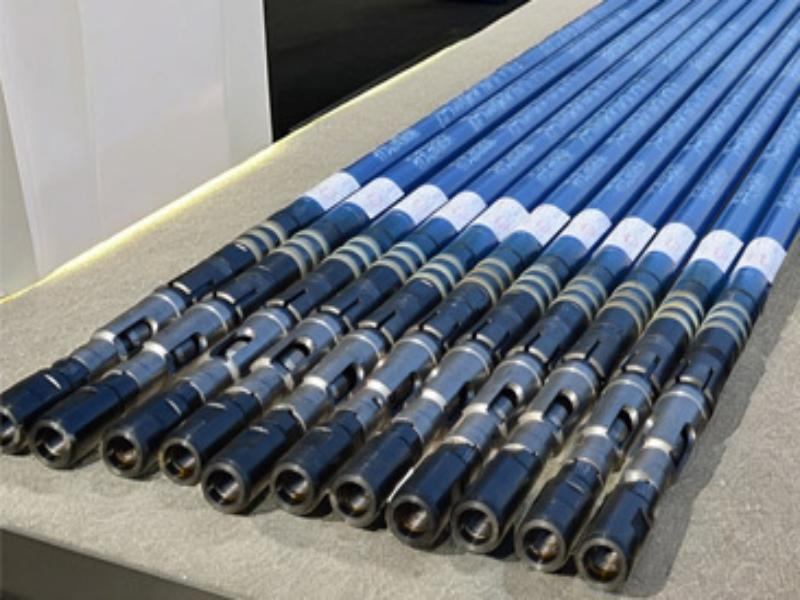
انتخاب پمپ بر اساس دادههای چاه
پشتیبانی مهندسی برای مخازن پیچیده.
برای دریافت یک راه حل سفارشی، پارامترهای چاه خود را با ما در میان بگذارید.
│
│ Rod String
│
▼
Single Pump
│
Single Reservoir Zone
One production path
No layer separation
Separate Layer Production Pump Structure
Surface
│
│ Tubing System
│
┌───────────────┐
│ Upper Layer │ ← Oil Zone
└──────┬────────┘
│ Isolation System
┌──────┴────────┐
│ Lower Layer │ ← Water/Oil Zone
└───────────────┘
Multiple production zones
Independent flow control
Layer isolation prevents interference
4. Performance Comparison
| Feature | Separate Layer Pump | Conventional Rod Pump |
| Production zones | Multiple | Single |
| Crossflow control | Yes | No |
| Reservoir adaptability | High | Low |
| Water management | Advanced | Limited |
| Efficiency in mature wells | High | Low |
| aintenance complexity | Medium | Low |
5. Application Scenarios
Conventional Rod Pump is suitable for:
Single-layer oil reservoirs.
Stable pressure wells.
Low-complexity production conditions.
Shallow to medium-depth wells.
Separate Layer Production Pump is suitable for:
Multi-layer reservoirs.
Mature oilfields with declining pressure.
High water cut oilfields.
Offshore or high-cost wells.
Reservoirs requiring selective production.
6. Key Difference: Crossflow Problem
One of the biggest issues in multi-zone wells is crossflow.
What is crossflow?
It happens when fluid from a high-pressure layer flows into a low-pressure layer.
Results:
Oil dilution by water.
Reduced recovery efficiency.
Reservoir damage risk.
Conventional rod pumps cannot solve this.
Separate layer production pumps are specifically designed to eliminate this issue.
7. Which One Should You Choose?
Choose Conventional Rod Pump if:
Your well has a single production zone.
Reservoir conditions are stable.
You prioritize low cost and simplicity.
Choose Separate Layer Production Pump if:
Your well has multiple reservoir layers
You face high water cut problems
You need to improve recovery in mature fields
You want to maximize production from existing wells
8. Industry Trend
Modern oilfield development is shifting from:
single-zone production → multi-zone optimization
Key drivers:
Mature oilfield redevelopment
Cost reduction (avoid drilling new wells)
Improved reservoir efficiency
Digital and precision production systems
This makes separate layer production systems increasingly important.
9. Conclusion
The difference between the two systems is not only structural, but also strategic:
Conventional rod pump → simple, single-zone production
Separate layer production pump → advanced multi-zone reservoir optimization
For complex oilfields, the separate layer system provides significantly higher production efficiency and better reservoir control.
Need Help Selecting the Right Pump for Your Oil Well?
Every reservoir has different pressure, fluid, and layering conditions.
We provide:
Multi-zone production design solutions.
Pump selection based on well data.
Engineering support for complex reservoirs.
Contact us with your well parameters to get a customized solution.